Golf rules
Golf rules players search for most, and what they actually mean
Published 30 September 2026
An informative guide examining some of the most frequently searched golf rules and local regulations according to data from The R and A Rules of Golf application.
Understanding the intricacies of golf regulations can be challenging even for experienced players. When confusion strikes on the course, modern golfers frequently turn to digital tools for quick clarification. Data published by The R and A highlights the specific regulations that generate the highest volume of user inquiries within their official application. This guide breaks down three widely queried scenarios, helping you navigate tricky situations with confidence and stay on the right side of the governing framework. Choosing the right course management approach often depends on knowing these exact stipulations.
The first major scenario involves accidentally moving your stationary ball during a practice swing. Many players assume any movement caused by a club results in a penalty, but the outcome depends entirely on where your ball rests on the course. If this accidental contact happens on the putting green, you face no penalty whatsoever under Exception 3 to Rule 9.4b, and you simply replace the ball on its original spot. Similarly, if you accidentally strike your ball while in the teeing area, Rule 6.2b(5) allows you to re-tee the ball anywhere within the designated area without penalty. However, if the incident occurs in the general area, a bunker, or a penalty area, you will receive a single penalty stroke and must replace the ball on its original spot.
Another frequent point of confusion ranks high among user searches regarding immovable obstructions positioned close to putting greens. Links courses often tempt players to putt from off the green, but sprinkler heads or other manmade items can block the intended line of play. Under standard regulations, you do not receive free relief merely because an obstruction interferes with your line. That said, committees have the authority to introduce a specific local regulation often referred to as the two plus two rule, detailed in Model Local Rule F-5. This provision grants free relief in the general area only if the immovable obstruction sits within two club-lengths of the putting green edge, lies within two club-lengths of your ball, and directly interferes with your line of play. Meeting all three criteria allows you to drop within one club-length of the nearest point of relief without penalty.
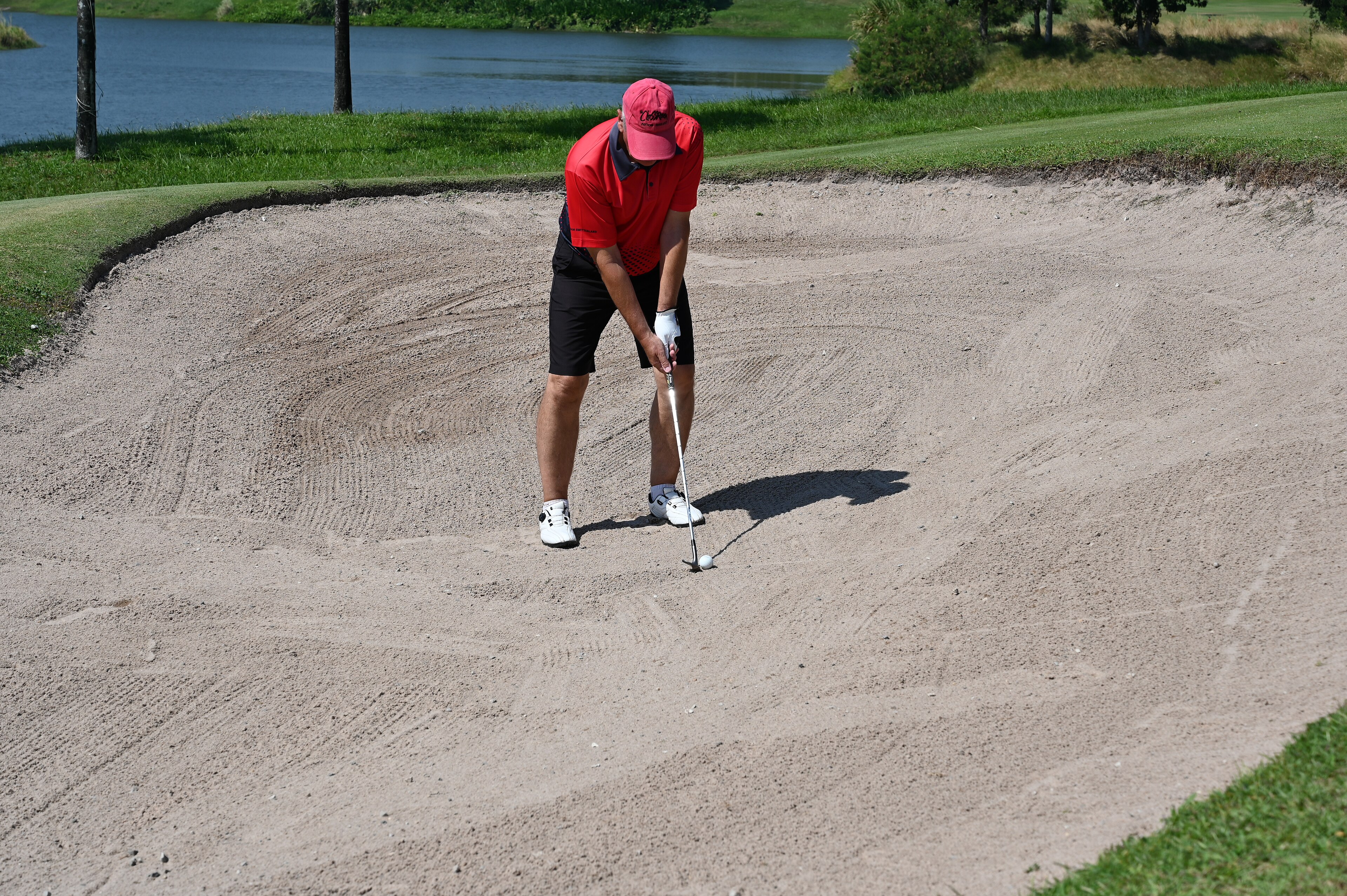
Finally, bunker etiquette and regulations generate substantial interest, particularly Rule 12.2b covering restrictions on touching the sand. Players must avoid deliberately touching sand with a hand, club, or object to test its condition before a stroke. Furthermore, you cannot allow your club to touch the sand immediately in front of or behind the ball during practice swings or backswings, even by accident. Violating these restrictions incurs the general penalty. Thankfully, golfers can legally touch the sand when digging in with their feet for a stance, placing equipment down, measuring or marking the ball, or leaning on a club for balance. Mastering these specific provisions ensures smoother rounds and prevents unnecessary disputes during friendly or competitive play.
More from Golf rules →